
JOURNAL
What the Wilderness Does to an Appetite

Most people do not think much about food before a safari. They think about the animals, the landscape, the light at certain hours. Food is assumed — something that will be there, taken care of, fine. And then they arrive, and something changes. Not dramatically. Quietly. The way most true things change.
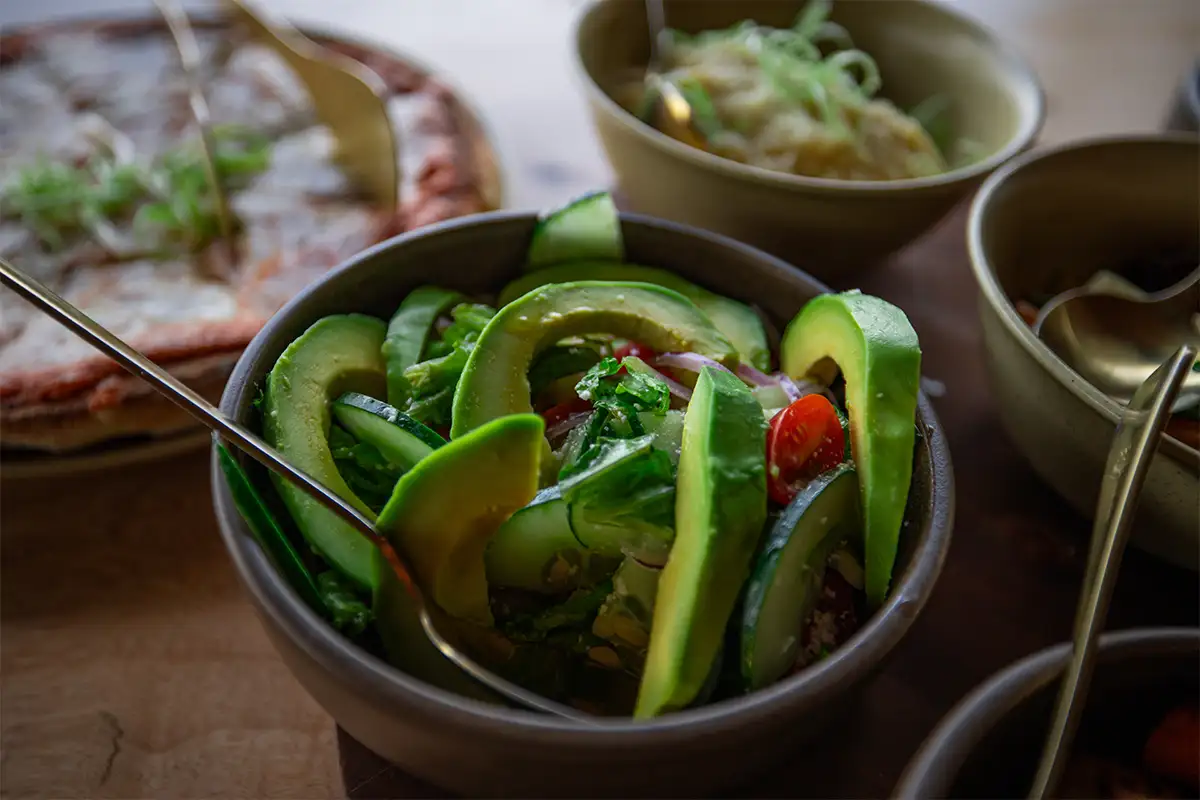
There is a particular quality to hunger in the bush. It is not the shallow impatience of a skipped lunch or a delayed dinner reservation. It is something older and more grounded — the body having genuinely spent itself, having been alert since before light, having sat with real stillness inside something vast and indifferent. By the time food arrives, you are ready for it in a way that is increasingly rare. Appetite, in the wilderness, feels earned.
What arrives at a Nimali table is not incidental to that feeling. It is part of it. The kitchens across the three camps have moved, deliberately and over time, toward food that is specific to Tanzania rather than merely competent within it. Not a gesture toward local flavour. An actual immersion in it — ginger and coconut threading through dishes the way they thread through the coastal cooking of East Africa, where the Arabic trade routes left their flavour as permanently as they left their architecture. Pilau rice carrying warmth and spice. Maharage beans slow braised until they are almost sweet. Kachumbari dressed with chachandu, sharp and clean. Zanzibari stuffed pizza, nothing like the name suggests, closer to something handmade and immediate, filled and cooked to order. These are not interpretations. They are the thing itself.
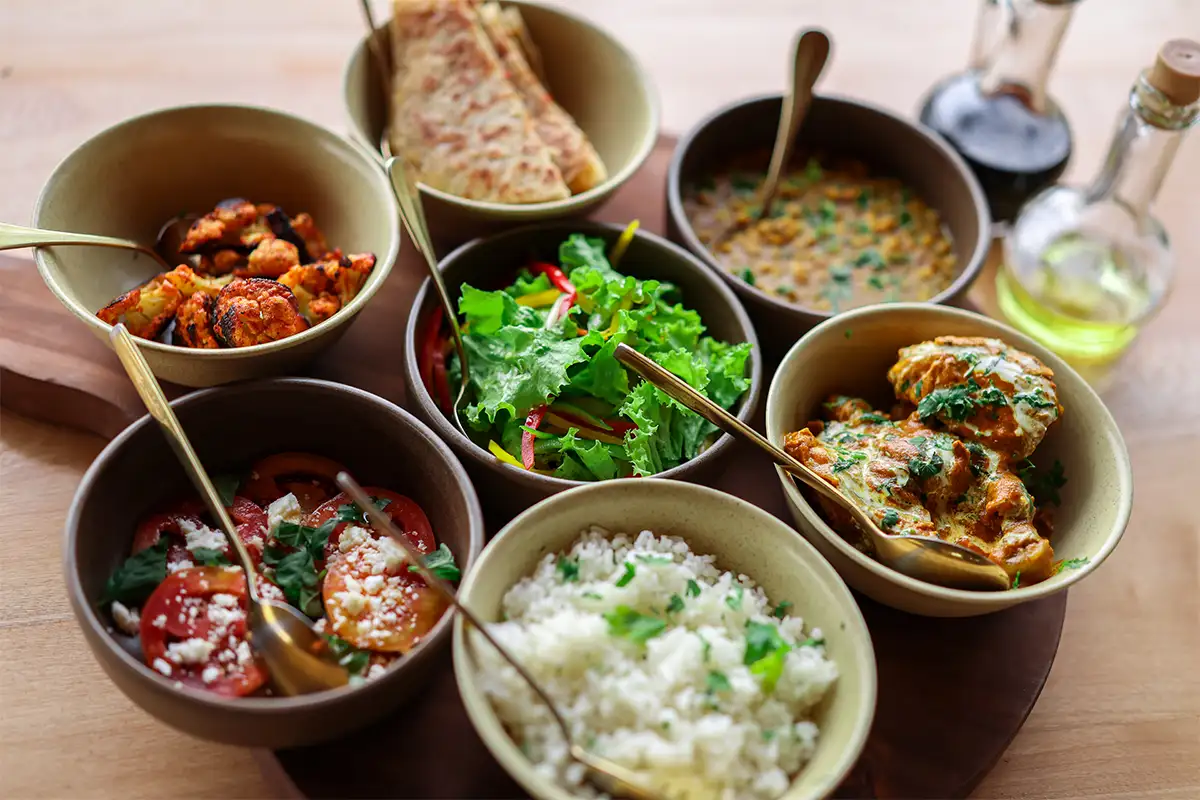
For a guest encountering these flavours for the first time, something specific happens. The food stops being a backdrop to the safari and starts being part of what the safari is teaching. Tanzania has a taste, and it is not neutral. It carries the Arabic coast, the red soil, the particular sweetness of produce grown in small shambas by families who have farmed the same land outside Arusha for generations. Ginger. Chilli. Coconut. Coffee so good it reframes what the word means. A mandazi — a lightly spiced local doughnut — served with ice cream and chocolate at the end of a long shared lunch, which sounds modest and lands as something close to perfect. These details accumulate. By the third day they are part of the experience in the way the light is, or the silence at four in the morning.
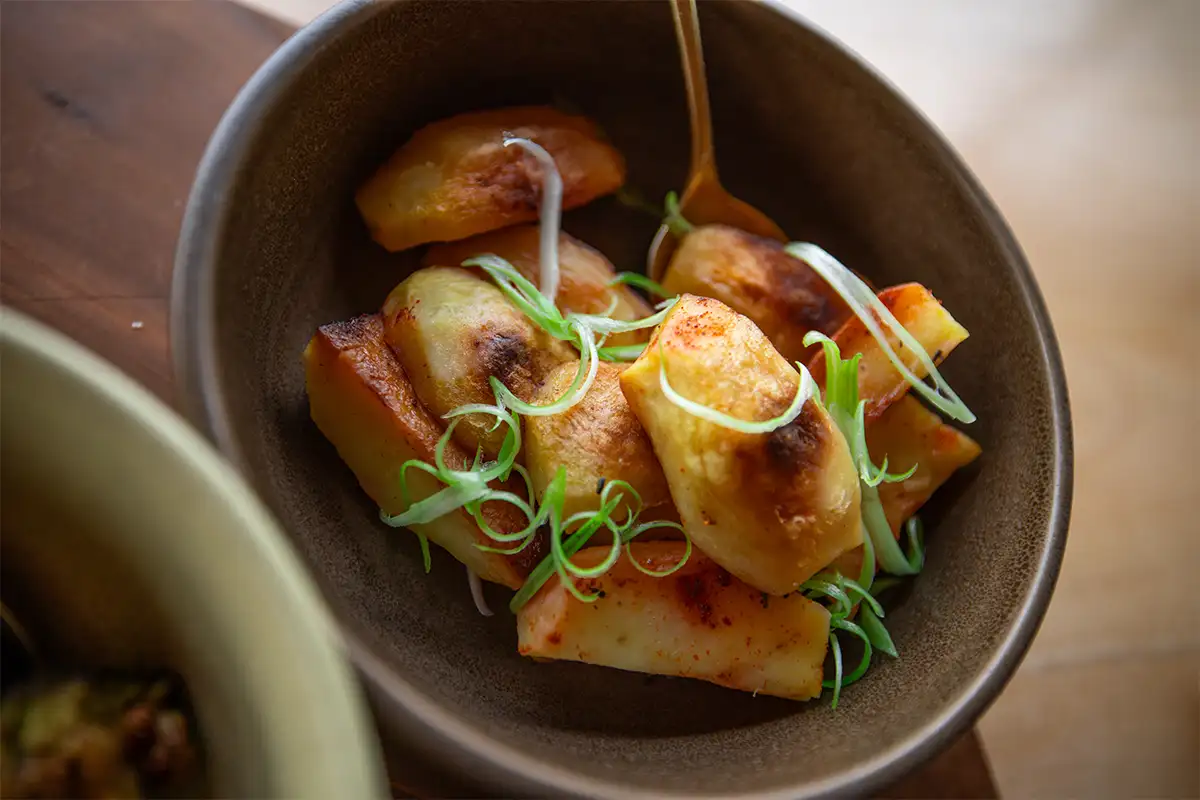
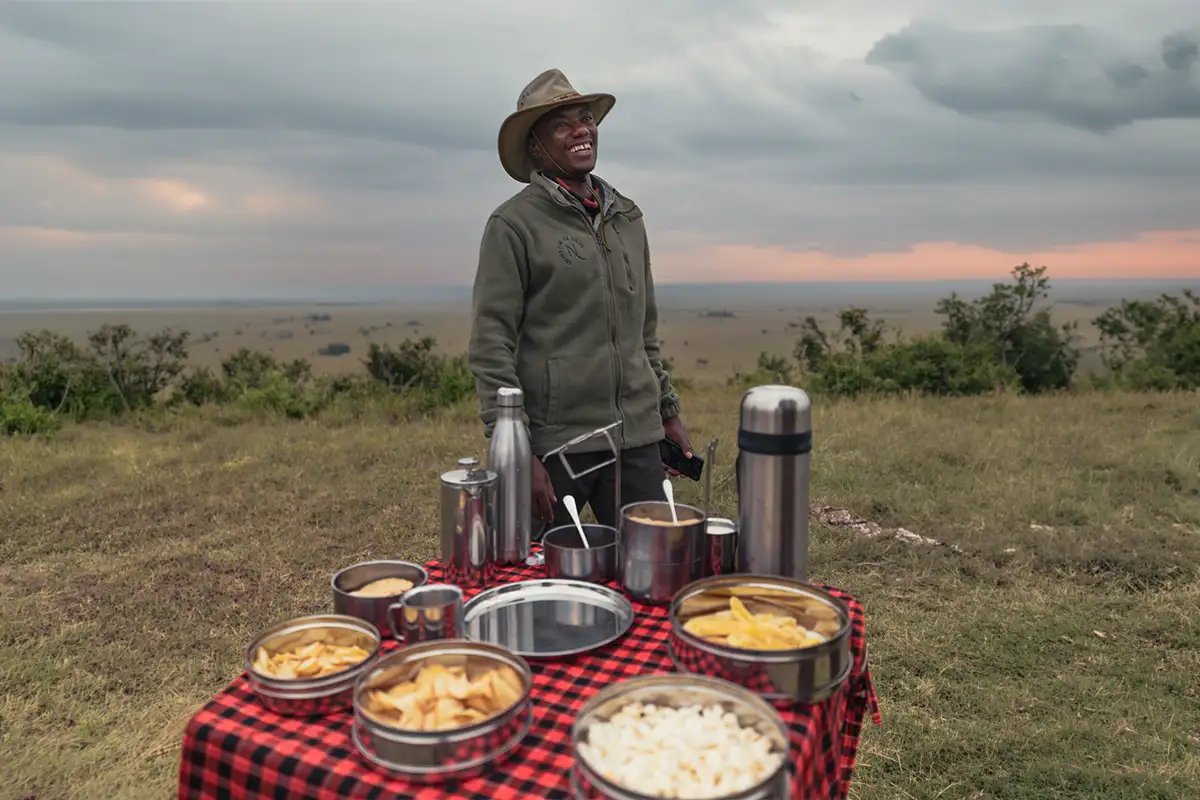
What the Nimali kitchens are also quietly exceptional at is attention. Not to menus, but to people. Guests with dietary needs find them anticipated rather than accommodated — a distinction that is felt immediately. Gluten free baking made daily from local grains and nuts because the obvious alternatives are not available and the kitchen has found a better way around the problem. Vegetarian options that have been genuinely thought through. Breakfast cooked to order — no buffet, no compromise. Lunch boxes sent out into the field not as an afterthought but as hot food with real care and preparation behind them, arriving in a landscape where they are, somehow, exactly right. A cake appearing at a sundowner. These things do not happen by accident. They happen because someone in the kitchen is paying attention to who is in camp that week, and has decided that matters.
The sourcing is worth understanding too, because it explains something about how the food tastes. Produce comes from the shambas — small, sustainable family run gardens feeding into the Arusha market. Fish from sustainably sourced local species. Tanzanian coffee at every possible moment. The logistics are genuinely difficult — getting fish from the coast to the northern circuit is harder than it sounds, cheese comes across from Kenya, the supply chain requires constant problem solving — but the instinct behind it is straightforward. Let the ingredients speak for what they are and where they come from. That discipline shows in the eating.
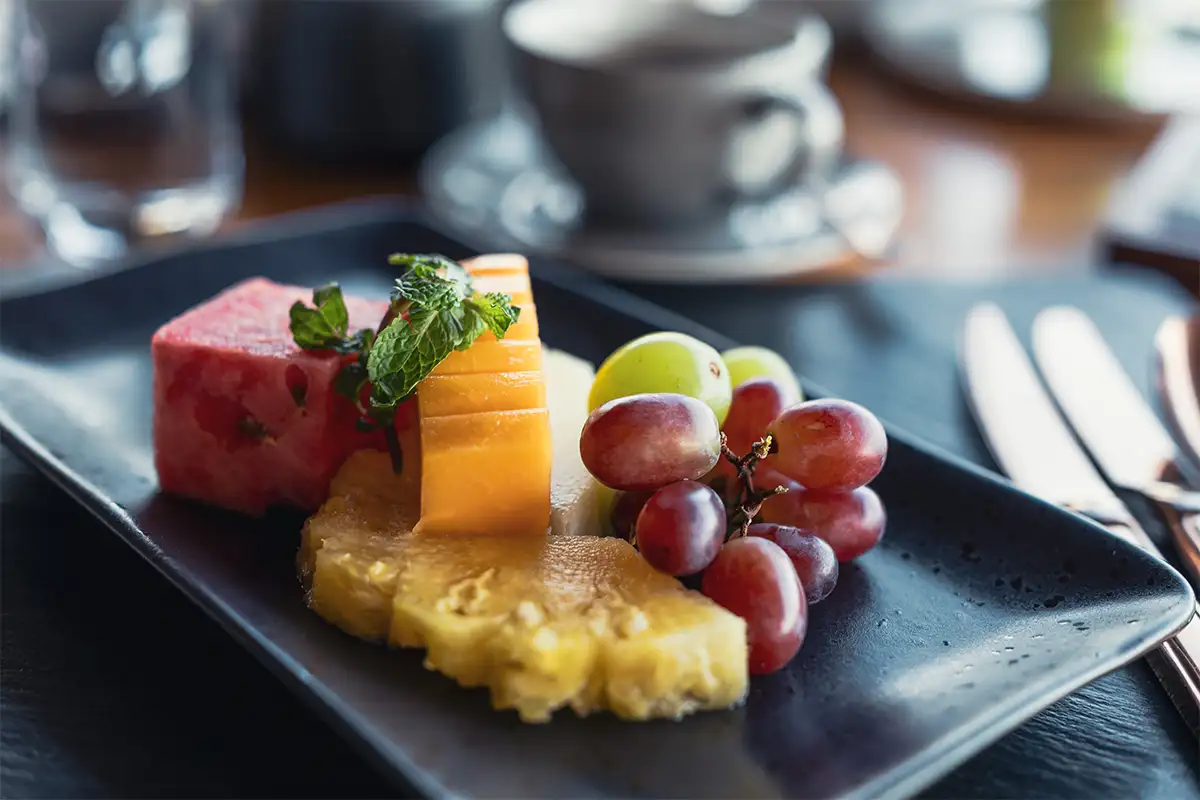
None of this is incidental to the safari. It is, in the way that all the best things at Nimali are, inseparable from it. The food is Tanzanian because Tanzania is where you are. It is careful because the people preparing it have decided that each guest deserves that. It is good in a way that surprises most people who were not expecting to think about it at all.
That surprise is the thing. You came for the animals. You stayed for all of it.
To plan your Nimali safari, speak to the team.


