
JOURNAL
Breathe it all in

There comes a moment on every true safari when you stop trying to capture what is happening around you and simply allow yourself to be present. You’re no longer reaching instinctively for a camera or scanning the horizon in search of the next sighting, nor are you thinking about the time of day or what the schedule holds. Instead, you find yourself standing still, breathing deeply, and realising that the landscape has begun to work its way quietly under your skin.
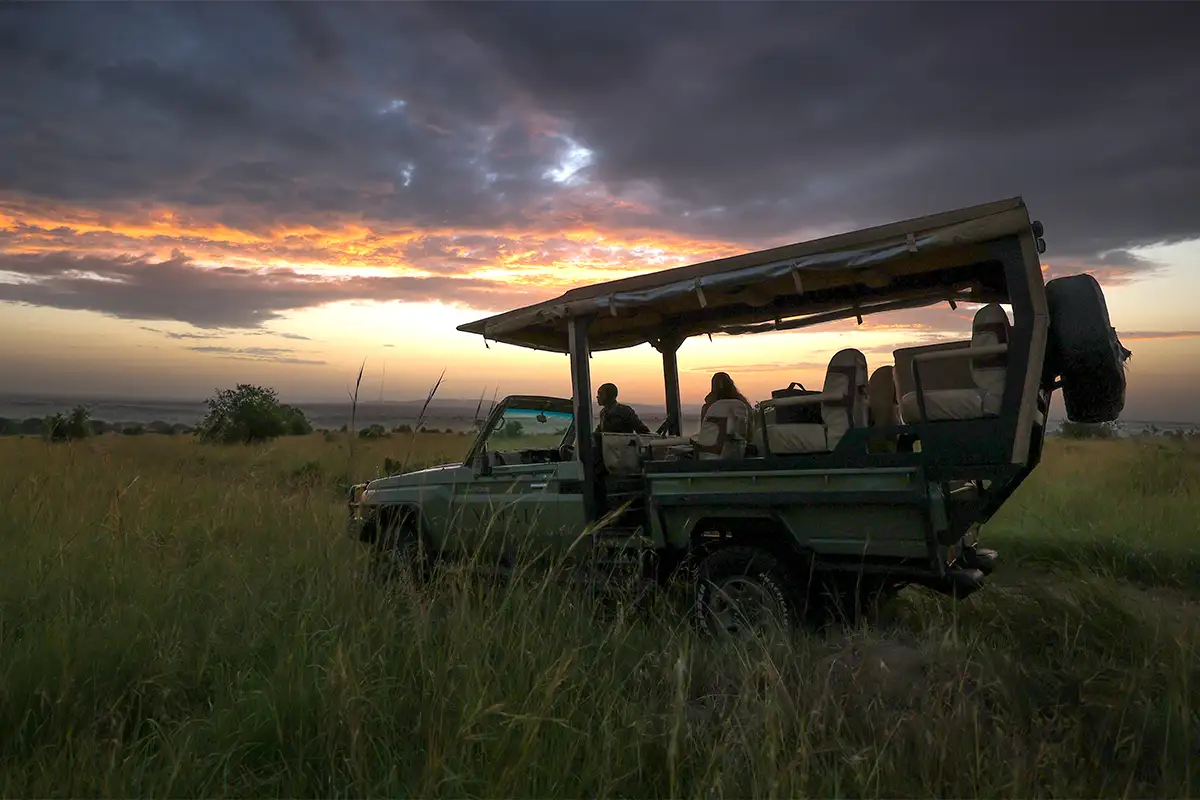
The morning air is cool and faintly sweet with crushed wild sage underfoot, while a thin ribbon of woodsmoke drifts from the kitchen fire and the earth releases that rich, damp scent left behind by the night’s dew. Somewhere close by a francolin calls from the grass, and farther off a lion answers with a low, resonant rumble that seems to vibrate through the ground itself.
Without quite noticing, you inhale more slowly and more fully, as though the wilderness is entering your lungs. It is in this unguarded moment that a safari shifts from being an itinerary of experiences to something far more personal, settling into your body as memory, emotion, and instinct all at once.
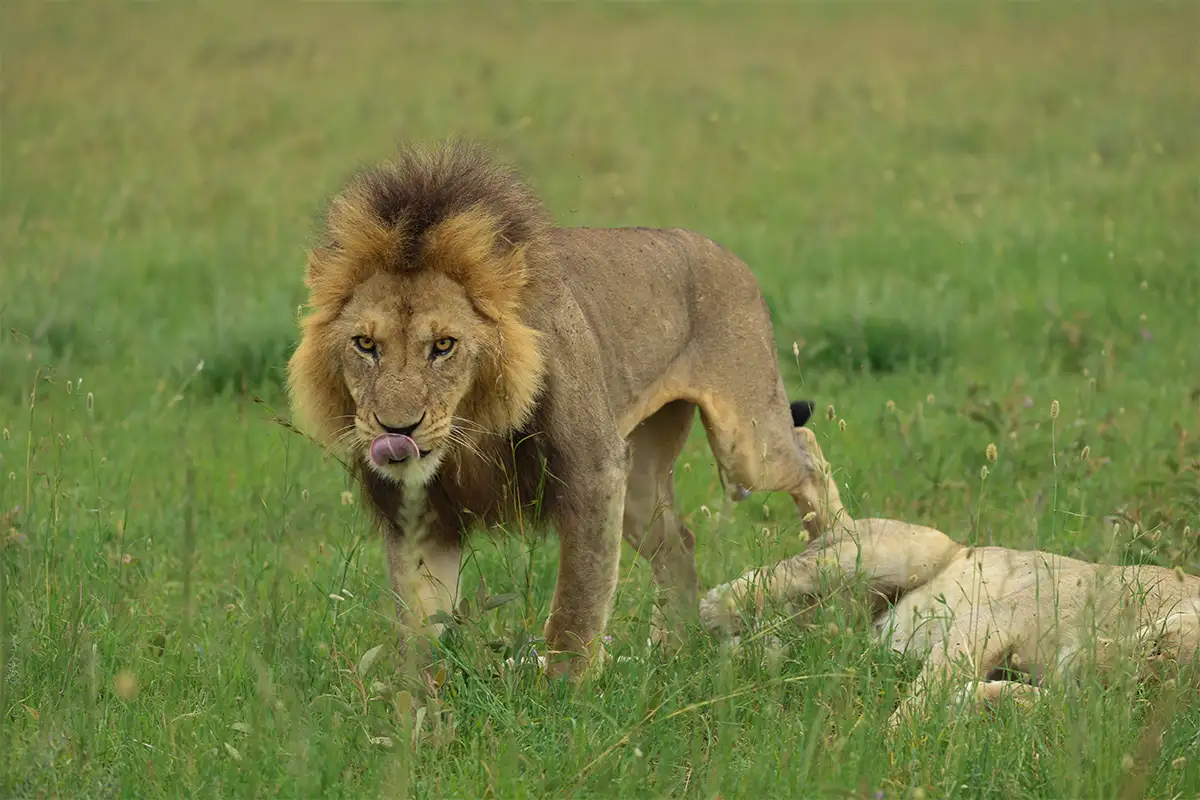
At Nimali, this is what we mean when we speak of Safaris for the Senses. A safari is never only something you witness, even though the great spectacles remain unforgettable. You may watch elephants move like grey shadows through riverine forest, or see lions stretched across warm rock faces in the late afternoon sun, or stand in awe as wildebeest gather in their thousands across the plains, their movement rippling like weather across the grasslands.
These are the moments that fill photographs and stories, yet they are only the beginning of the experience rather than the whole of it.
You feel the safari as much as you see it. You feel the soft crunch of sand beneath your boots on an early morning walk, the warmth of the sun slowly building on your shoulders as the day unfolds, and the cool comfort of crisp linen and canvas as the quiet of the afternoon settles around camp.
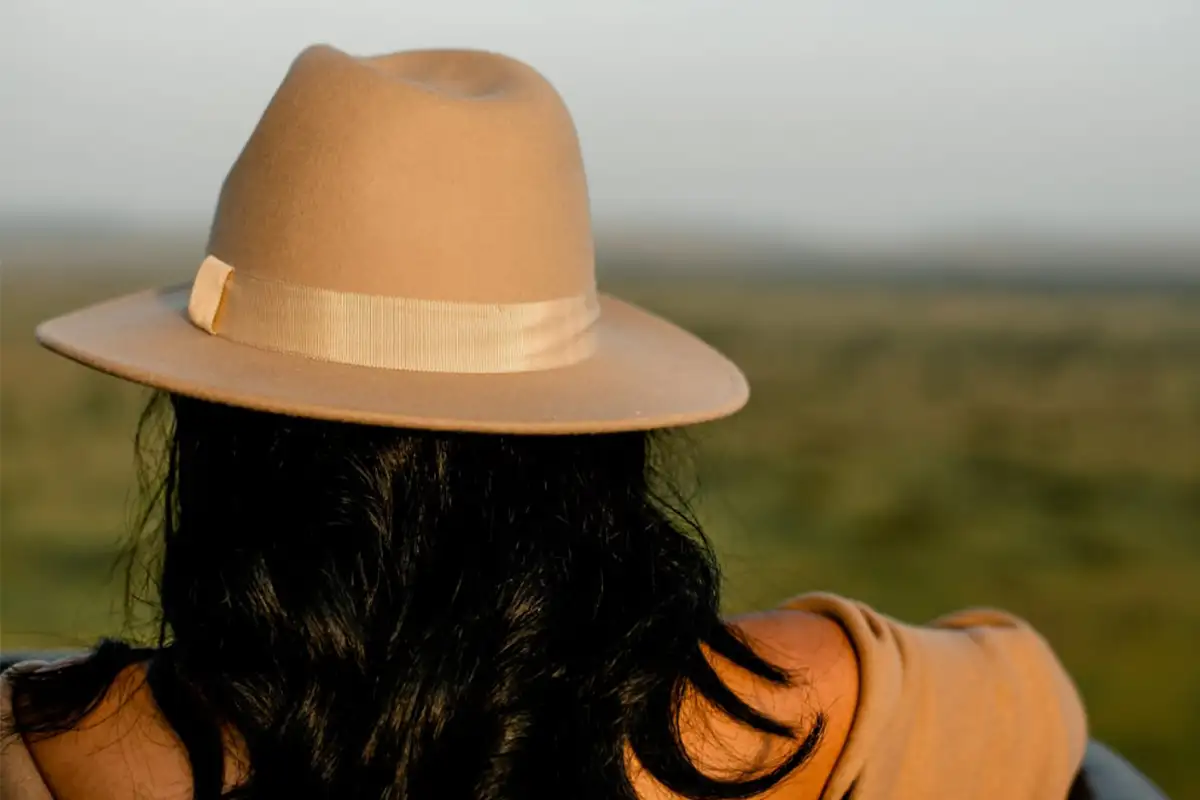
You savour it too, whether in the first sip of fresh coffee brought to your room at dawn, bread still warm from the oven, or a lingering dinner shared by firelight while conversation drifts easily beneath a sky scattered with stars. And you listen constantly, often without realising it, to the murmur of doves in the trees, the steady hush of wind moving through the savannah, and the distant, unmistakable rumble of elephants at a waterhole, until even the silence itself begins to feel textured and alive.

Then there is the final sense, the one that binds all the others together and anchors them in memory. You breathe it all in.
In places like Serengeti National Park, the air has a character of its own. At first light it feels crisp and metallic with dew and dust, clean enough to taste, while by midday the scent of warm grass and sunbaked earth rises in gentle waves from the plains. After rain, everything smells green and newly washed, and at night the smoke of the boma fire mingles with wild basil and cooling air to create a perfume that is unmistakably, irrevocably Africa. These are the details you never think to anticipate, yet they are often the ones that stay with you longest.
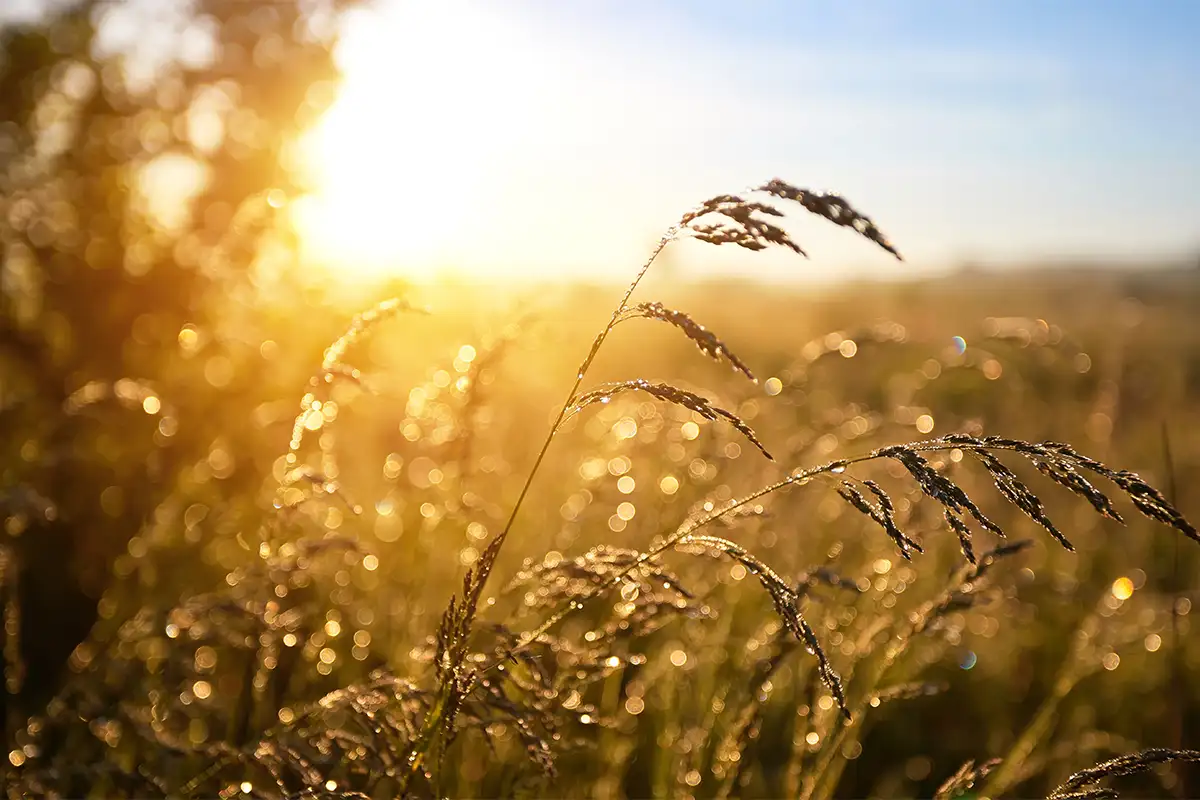
Long after photographs fade or itineraries blur together, scent has a way of returning you instantly to a specific place and time. The smell of canvas warmed by the sun, the leather of an open safari vehicle, the sharp citrus note of a freshly cut lime in your sundowner, or the comforting familiarity of woodsmoke drifting through camp as dinner is prepared can transport you back in a heartbeat.
One breath and you are in Tarangire again, watching elephants gather at the waterhole’s edge. Another and you are standing on the Serengeti plains at dawn, wrapped in a blanket with the world slowly waking around you.
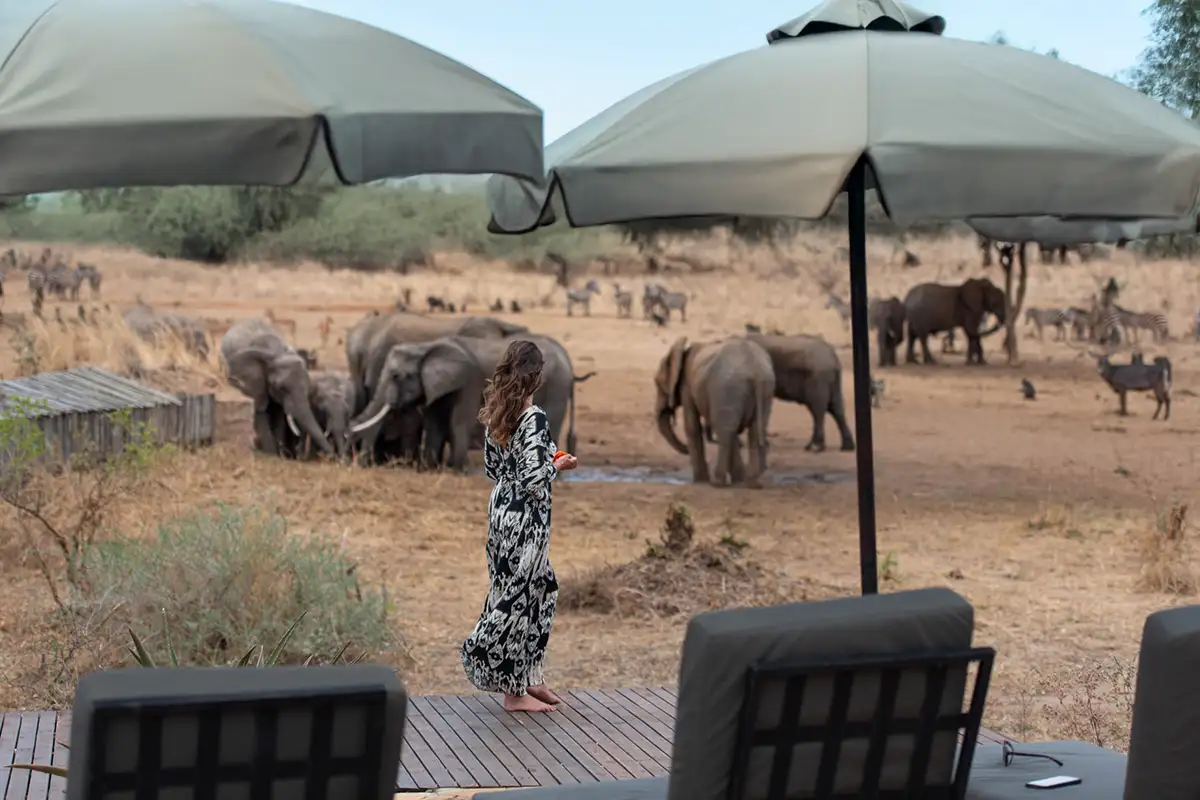
Every Nimali lodge is designed to honour these quiet sensory connections rather than compete with them. Architecture opens outward instead of closing in, allowing breezes, birdsong and changing light to flow naturally through each space.
Tents and suites are positioned to frame horizons rather than walls, and natural materials such as wood, leather, woven grasses and stone are chosen because they belong to the landscape and age gracefully within it. Nothing distracts from what lies beyond, because true luxury here is not about excess or embellishment, but about awareness and ease.
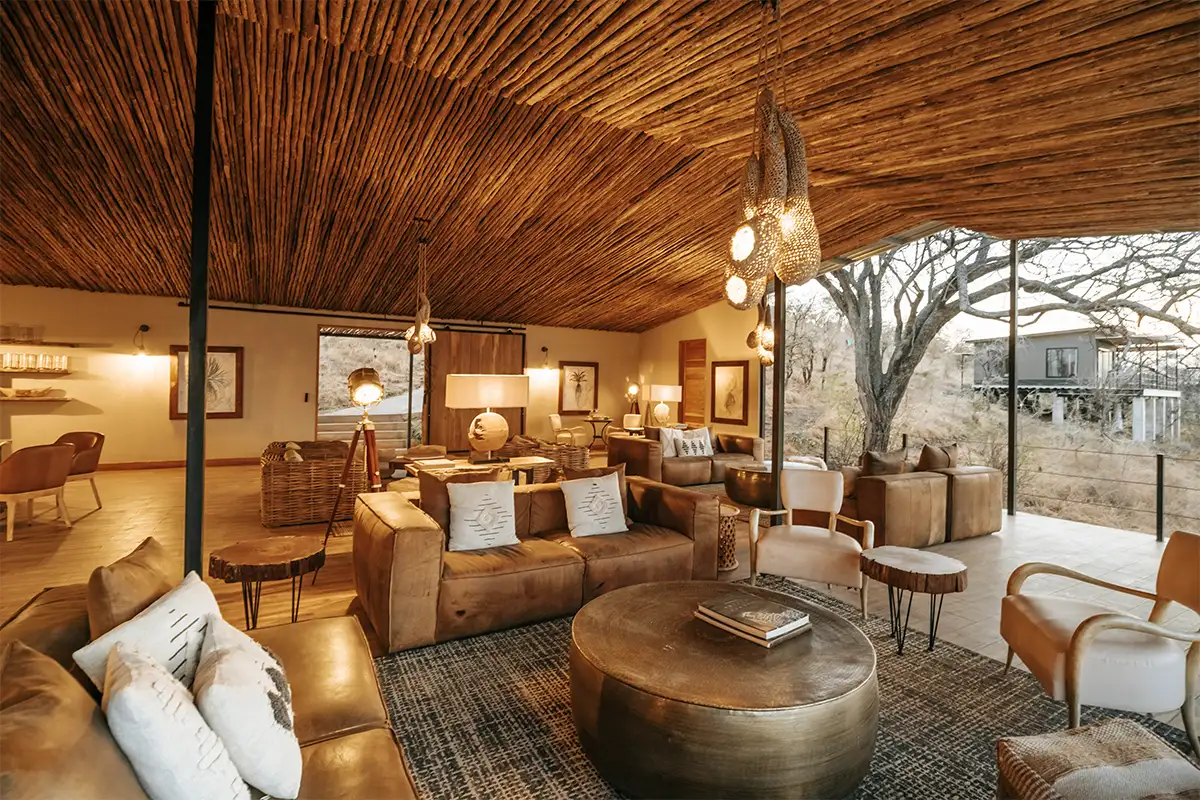
It is the luxury of stepping outside barefoot at first light and feeling cool sand underfoot, of pausing between activities simply to watch clouds gather over the savannah, and of having the time to notice how the air shifts before rain or how the scent of the bush deepens at dusk. It is about slowing down enough to inhabit a place fully rather than merely passing through it.
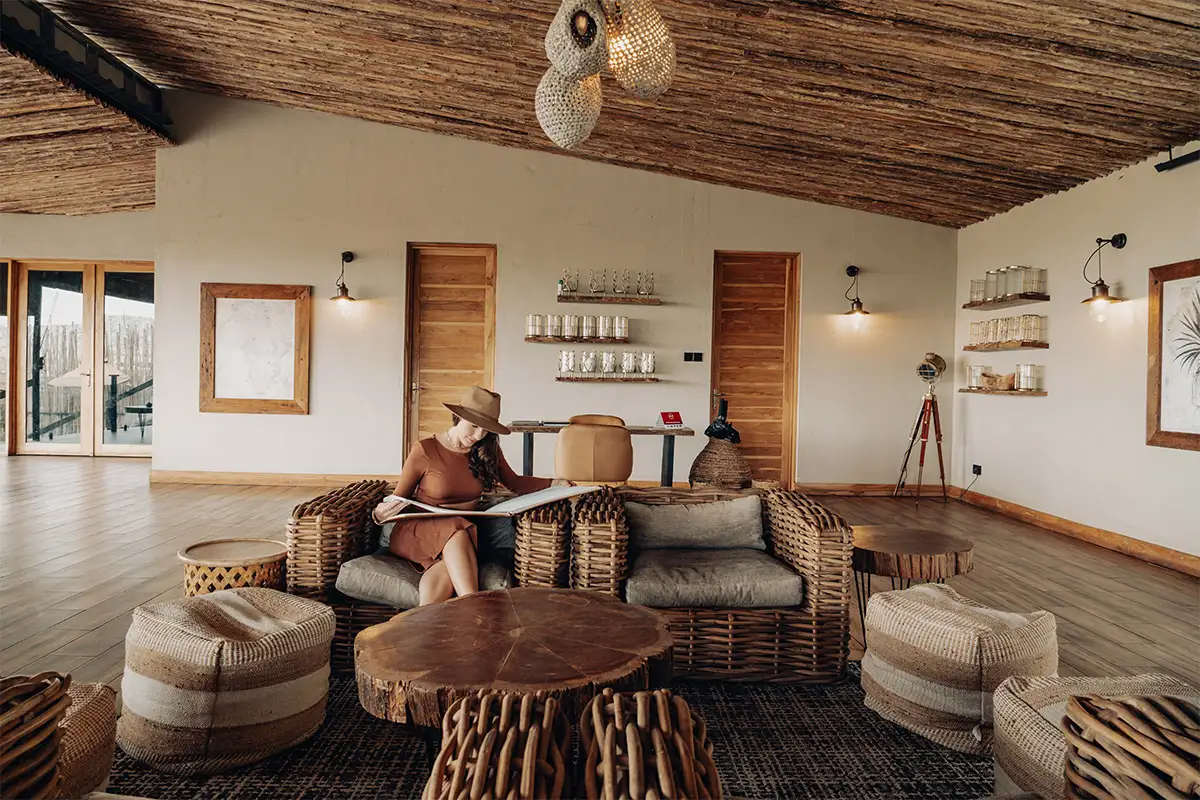
Guests often tell us that something subtle changes during their stay. By the second day, shoulders have dropped and voices have softened, phones are forgotten and breathing deepens as the rhythm of the wild begins to set the pace. You wake with the light rather than an alarm, meals stretch comfortably into conversation, and even game drives feel less like a search and more like a gentle unfolding of whatever the day chooses to reveal. Without effort, you find yourself more attentive, more grounded, and more connected.
This is the essence of Safaris for the Senses. It is not simply about seeing more wildlife or filling each day with activity, but about experiencing each moment more deeply and allowing the landscape to leave its imprint on you.
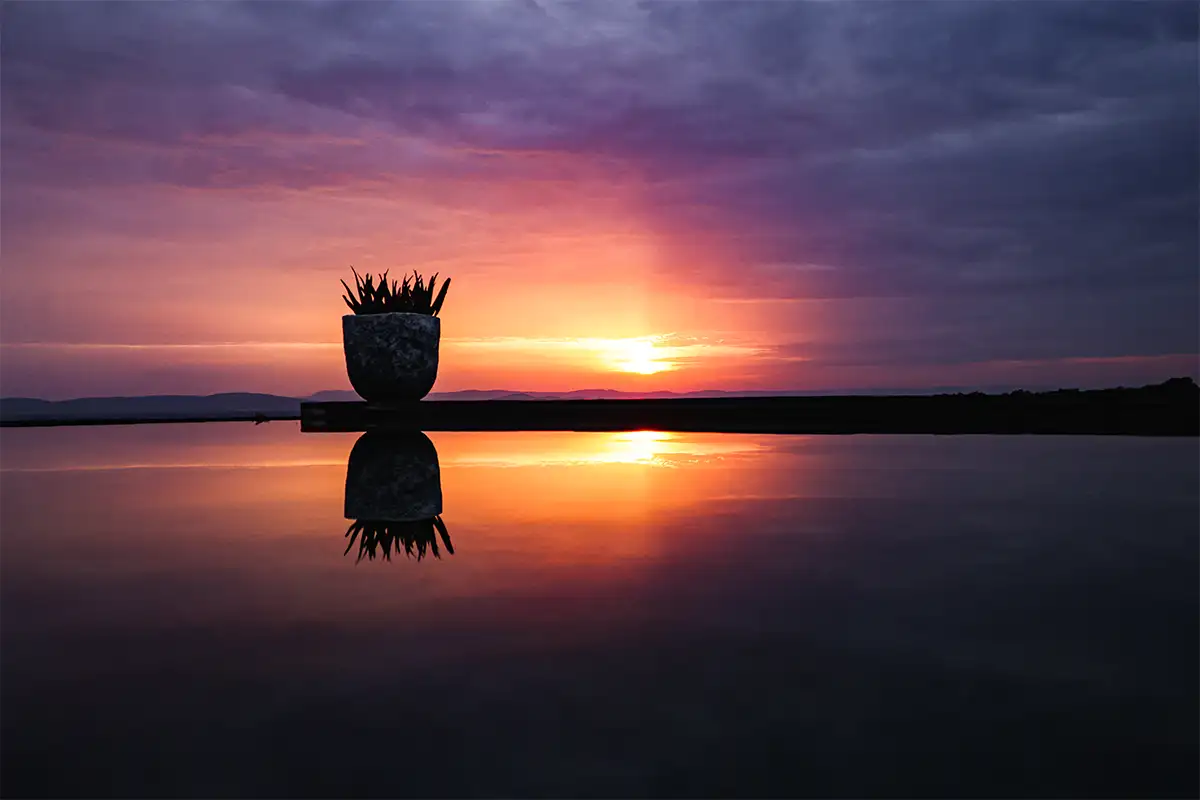
In the end, the most meaningful safaris are not measured by the number of sightings, but by how they made you feel, whether that is the stillness of a sunrise, the warmth of a shared glance across a fire, the smell of rain on dust, the chorus of night insects beyond your tent, or the taste of something simple and delicious after a day spent outdoors.
And then, perhaps on your last morning, you pause before leaving. You take one slow breath of wild air, committing it quietly to memory, dust, grass, smoke, space and freedom mingling together in a way that is impossible to describe and impossible to forget. You breathe it all in, knowing that long after you return home, that single breath will carry you straight back to the heart of the wilderness.


